
👋🏽 Hi there, I’m Kalvin
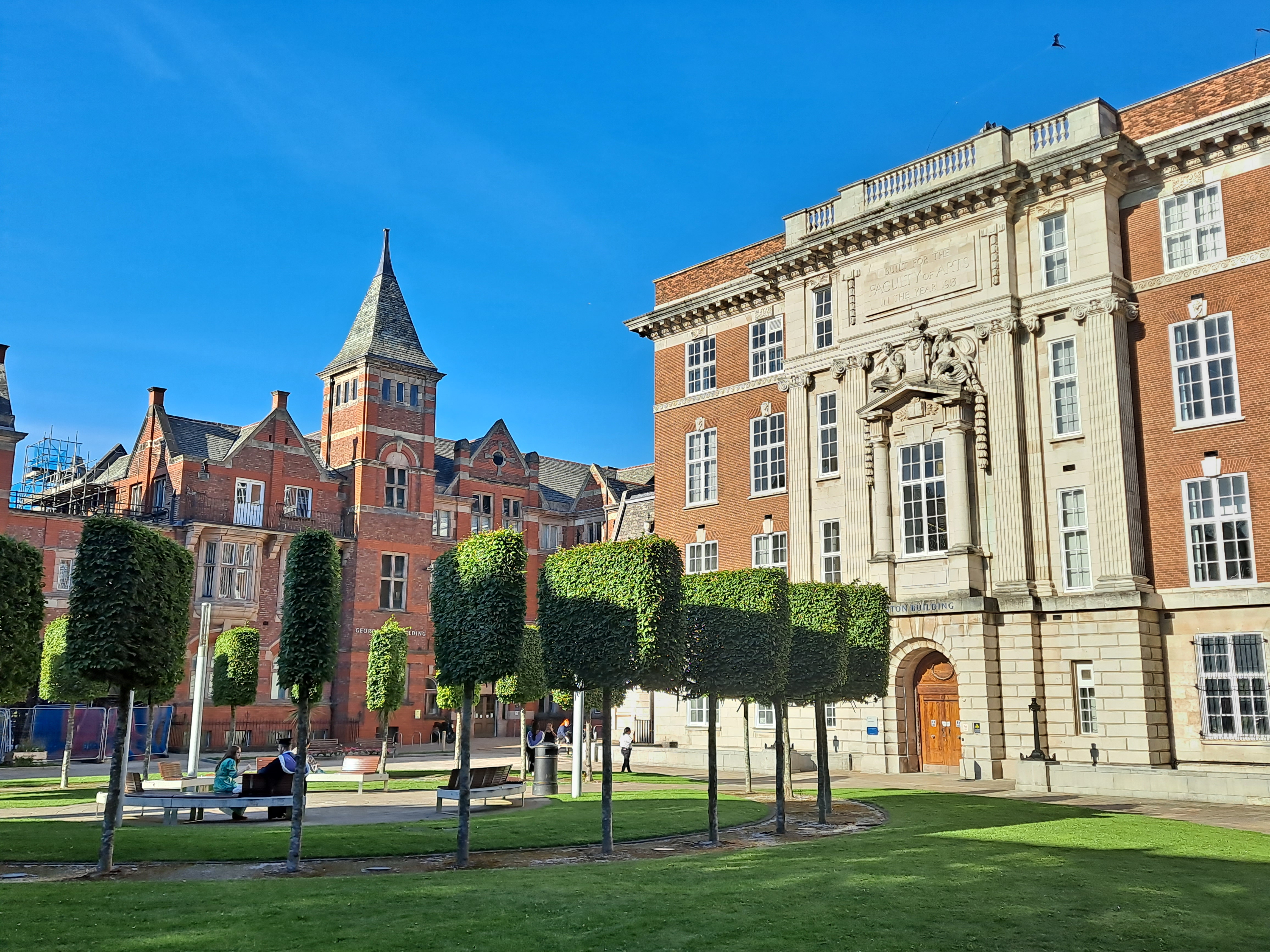
👨🏾💻 I’m currently an undergraduate CS + AI Student & Robotics Researcher and aspiring Researcher/Engineer.
🔬 My research interests are in ML/DL, Data Science, Robotics, Computer Vision, Quantitative Research & Finance
👨🏾🎓 When I graduate, I would like to pursue a pathway either as a Researcher in Artificial Intelligence/Robotics, Machine Learning/Robotics Engineer, Software/Avionics Engineer, Quantitative Developer, Data Scientist…
📚 I am also interested in assisting others on their path in the world of Computer Science/Artificial Intelligence and Academia.
Selected Experience
👨🏾🔬 Professional Experience
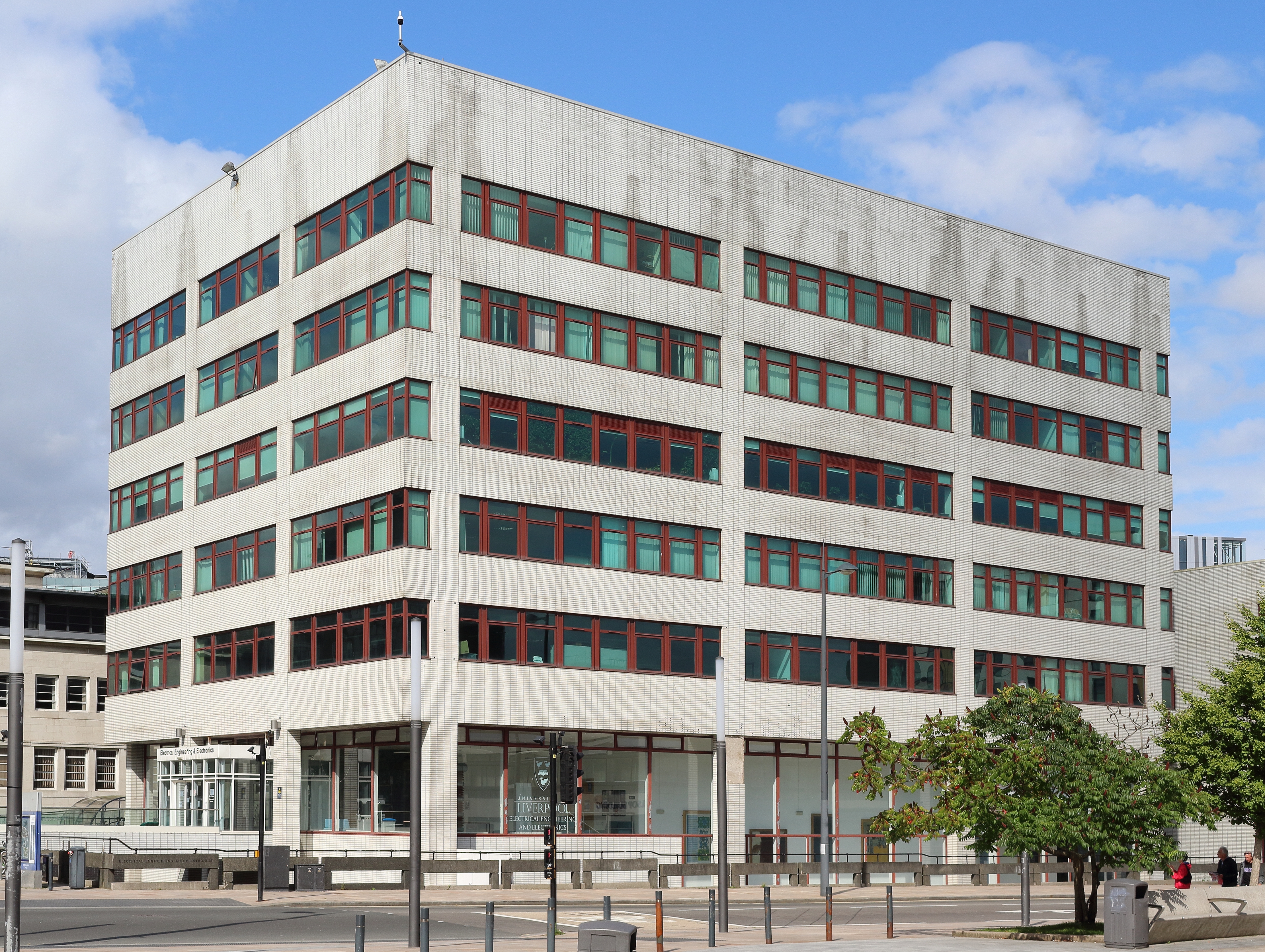

Kalvin is an undergraduate Computer Science with Artificial Intelligence student attending UoL in the School of Computer Science and Informatics. He serves as the Avionics Lead and AI Research Engineer at LASER (Liverpool Association for Space Engineering Research), a student-led research group focused on Space-based Engineering, supported by the Electronics and Electrical Engineering department at UoL. He developed the VEGA Rideshare Experiment, the PLOTSv1 Ground Station and the Postflight Analysis Tracker (PAT)v1 Software within the Electronics/Programming Subsystems Team for PL-26 (Propulsion Unit for LASER’s Spacecraft and Aerospace Research Lite). He also served as the joint Project Lead for UoL LASER’S Unity Rise PL-26 Rocket Team 25/26. Previously, he worked as a Software Avionics Engineer and Machine Learning Software Engineer on LIFTSv1 (LASER’s Integrated Flight Tracking System) and the PLOTSv1 Ground Station and PATv1 Software respectively, contributing to the Unity Rise PULSAR Rocket Team 24/25 and recently Unity Rise PL-26 Rocket Team 25/26 that secured the 1st Place Championship Award at the UKSEDS National Rocketry Championship and Best Rideshare Payload Award.
🔬 Research
Kalvin is an undegraduate researcher with a strong focus on machine learning, deep learning, computer vision and robotics. His research interests here include robot learning, physical AI, active perception and intelligent robotic systems. He maintains a technical blog where he publishes research findings, summarises academic papers and shares insights and tutorials on advanced topics related to Artifical Intelligence and Computer Science.
- Robotic Tool Selection & Active Perception Research: Currently working on an Undergraduate Honours Research Dissertation investigating force-torque-based active perception for tool selection in robotic scraping supervised by Dr Gabriella Pizzuto.
- VEGA Aerospace Rideshare Experiment: VEGA (Vegetation Evaluation from Ground to Air) is multispectral computer vision rideshare payload to classify vegetation as healthy or not which is designed for embedded systems. Developed for the UKSEDS NRC and Mach competitions, this initiative involves engineering edge-computed, real-time computer vision pipelines capable of custom NDVI (Normalised Difference Vegetation Index) algorithm generation and topographical contour mapping.
- Adversarial Machine Learning: Expanding his expertise into AI security, Kalvin engages in hands-on experimentation with neural network vulnerabilities, successfully developing adversarial attack and defence algorithms.
- Foundational Deep Learning (MNIST): Kalvin implemented a feed-forward neural network (Multilayer Perceptron) from scratch in Python, utilising only core libraries such as NumPy, Matplotlib, Pandas and tqdm. Designed to recognise and classify numerical handwritten digits from the MNIST dataset, this project served to solidify a deep understanding of core mathematics and algorithms, including forward propagation, backpropagation and activation functions (ReLU, Softmax).
To accompany this work, Kalvin’s GitHub repository contains the full codebases, Jupyter Notebooks and corresponding research papers communicating the theory and results of these projects. Feel free to explore the literature and the accompanying repositories.
💻 Featured Projects
| 🧠 AI Neural Scientist | 🚀 VEGA Rideshare Experiment |
|---|---|
| An interactive full-stack neural network autopsy and lesion tool built with PyTorch, Next.js, React & TypeScript as part of OpenAI Build Week 2026. | Edge-computed multispectral computer vision research project payload for the PL-26 Unity Rise Launch Vehicle, programmed with OpenCV and Python. |
| View Repository ➔ | View Repository ➔ |
| 📡 PLOTS Ground Station | 📊 Postflight Analysis Tracker |
| Interactive, real-time full-stack ground station designed to receive, log and visualise live RF flight data from the PL-26 LIFTS avionics system. Hardware designed in KiCad; software programmed in C++ and Python/PySide6. | Telemetry analysis and data parsing suite for aerospace payloads, programmed in Python and PySide6. |
| View Repository ➔ | View Repository ➔ |
| 🛰️ PULSAR Avionics | 🤖 TASP-TALIA AI Assistant |
| LIFTSv1 (LASER’s Integrated Flight Tracking System) onboard avionics and flight computer software developed for the Unity Rise PULSAR Launch Vehicle. | An interactive virtual AI assistant designed to process natural language queries via voice and text and execute digital tasks natively. |
| View Repository ➔ | View Repository ➔ |
| 🌀 Spinning Objects | 📚 StudyShorts |
| A zero-dependency, cross-platform 3D rendering engine built entirely from scratch in C++ to compute and visualise rotating geometries. | Interactive full-stack study optimisation tool and flashcard application built with Java, Swing and MySQL. |
| View Repository ➔ | View Repository ➔ |
| 📈 Black-Scholes Model | 1️⃣ MNIST Digit Classifier |
| Interactive quantitative finance model for algorithmic option pricing built with Streamlit and Python. | Framework-free feed-forward MNIST neural network built from scratch in Python. |
| View Repository ➔ | View Repository ➔ |
| 🏎️ Formula 1 Driver Stats | 🌦️ What’s The Weather |
| A full-stack web application providing 2024 Formula 1 driver statistics via a search interface, built with Java Spring Boot, HTML/JS, and PostgreSQL. | A desktop weather app that shows the current weather in a certain city with other useful information/metrics using Weather Forecast API (Open Meteo) and the Swing Java framework. |
| View Repository ➔ | View Repository ➔ |